Arab Finance: Minister of Electricity and Renewable Energy Mahmoud Esmat held talks with Huawei Egypt to expand cooperation in renewable energy, energy storage technologies, and grid modernization, as part of the country’s digital transformation and energy strategy, as per a statement.
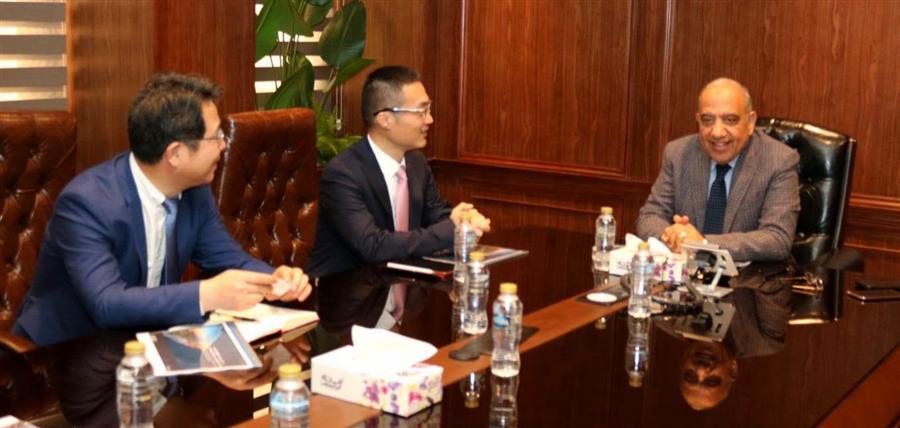
The meeting brought together a delegation from Huawei Egypt led by CEO Benjamin Hou and Head of Digital Energy Tony Po. Discussions focused on strengthening joint work to enhance operational efficiency, improve grid resilience, and support the sustainable expansion of renewable energy projects.
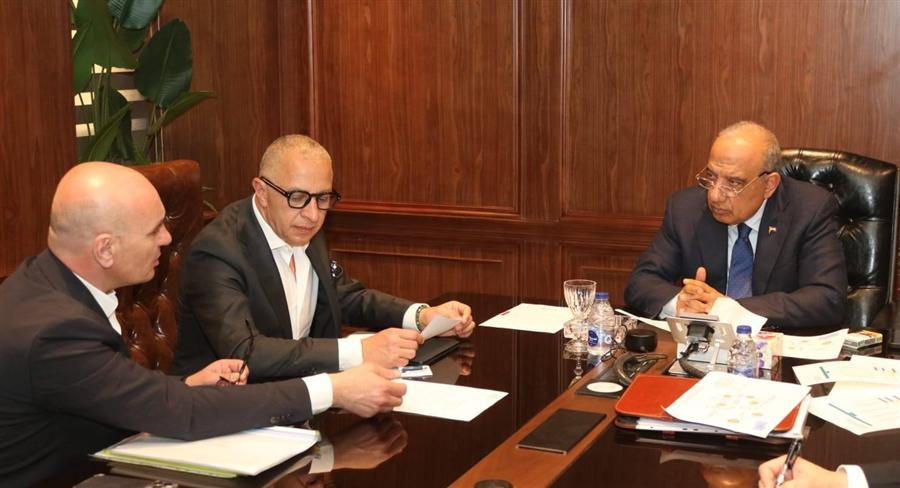
Esmat said the ministry is committed to supporting, developing, and modernizing the national electricity grid to improve operational efficiency, reduce losses, lower fuel consumption, and ensure the stability and sustainability of the electricity supply. He added that transitioning from traditional grids to smart grids is central to improving power supply quality and service levels.
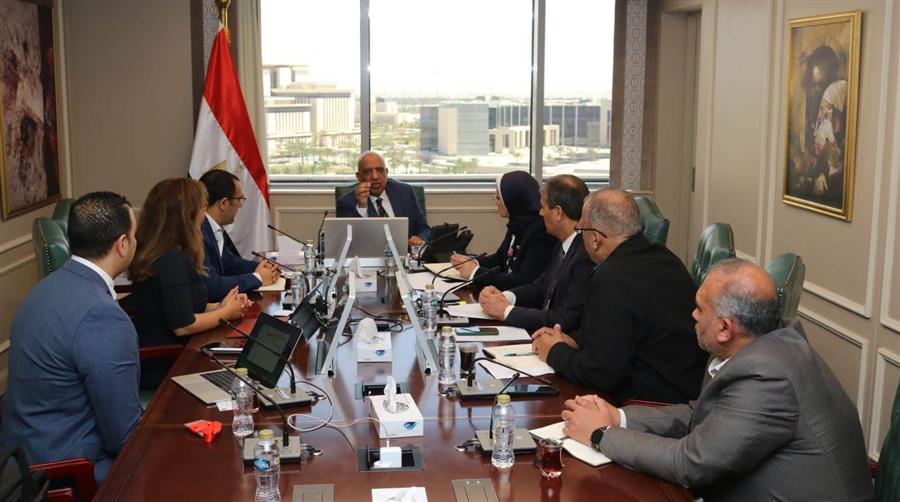
The talks were held within the framework of Egypt’s national energy strategy, which aims to improve operational performance, reduce technical losses, and ensure a stable electricity supply amid rising demand. Both sides reviewed ways to maximize returns from renewable energy projects and explored solutions to maintain supply continuity during peak summer demand.
The discussions also addressed increasing the grid’s capacity to absorb renewable energy and ensuring system stability as demand rises. Strategies were explored to enhance grid flexibility, particularly during peak evening hours, alongside measures to maintain efficiency under higher loads.
Advanced technologies were a key part of the dialogue, including Huawei’s Intelligent Distribution Solution (IDS), which can help mitigate the impact of integrating distributed solar energy and energy storage into the grid. The two sides also reviewed digital solutions aimed at supporting the sustainable growth of renewable energy while maintaining grid stability.
Esmat described Huawei as a trusted partner, highlighting ongoing cooperation in grid technologies, smart cities, and energy efficiency. He noted that Egypt’s transition to smart grids is essential to accommodate large-scale renewable energy generation and improve electricity transmission efficiency.
The minister added that achieving the country’s target of 45% renewable and clean energy in the energy mix by 2028 will require expanding grid stabilization systems, particularly energy storage. He also pointed to investment opportunities in both connected and standalone energy storage solutions.
Esmat emphasized that adopting modern technologies is critical to improving efficiency and service quality, noting that grid modernization is an ongoing process aligned with the state’s broader digital transformation efforts.