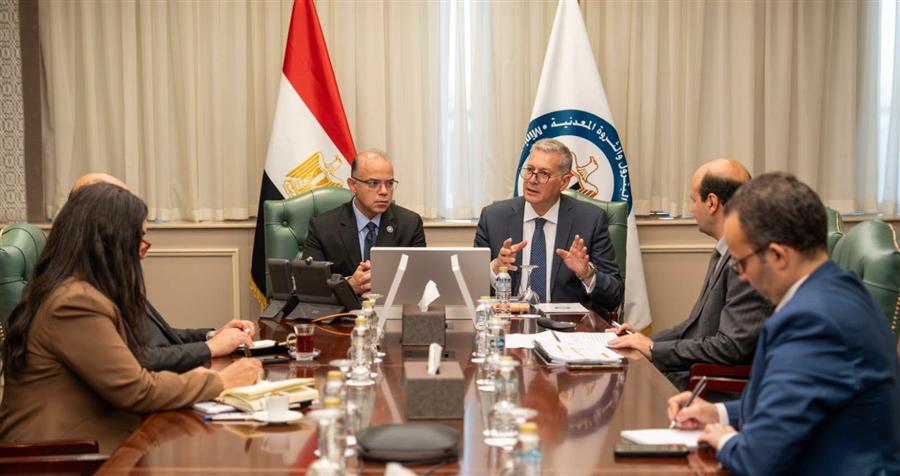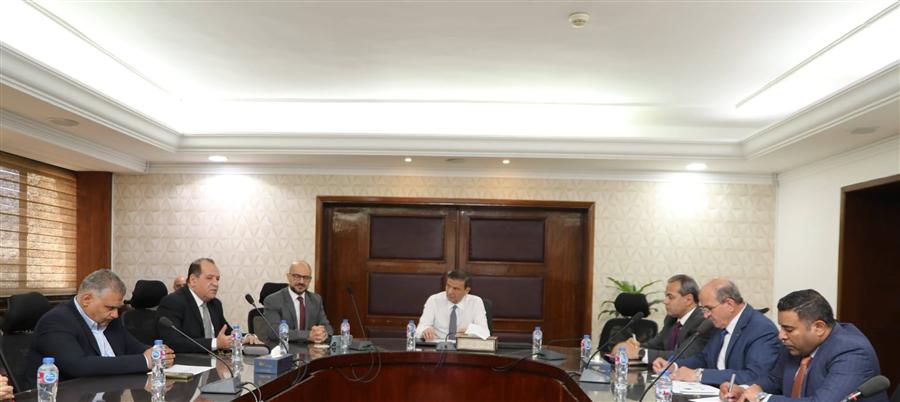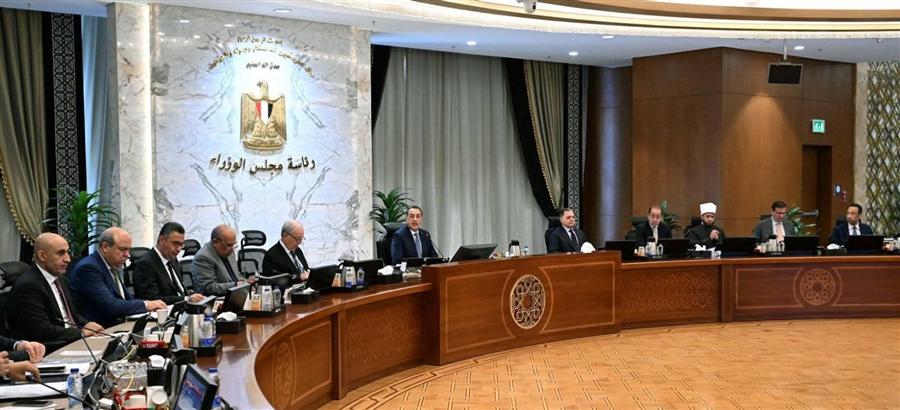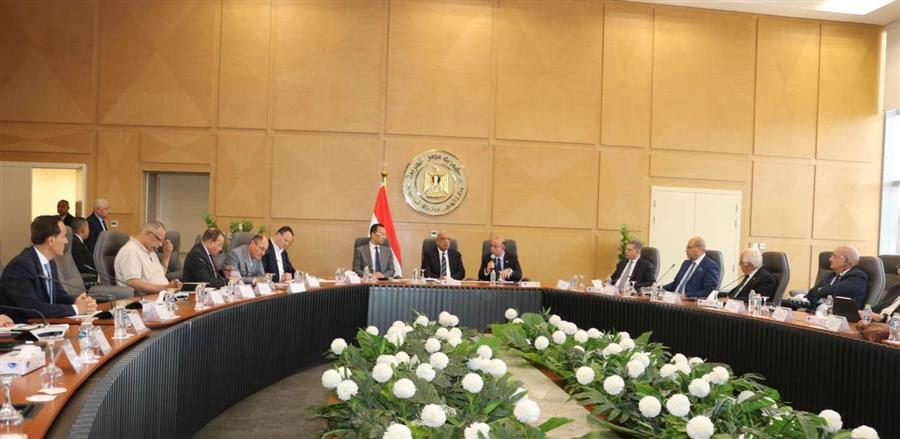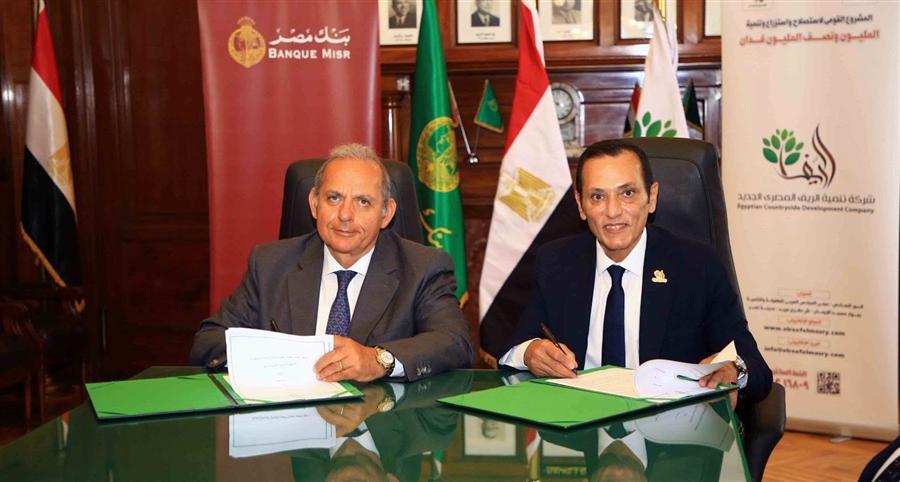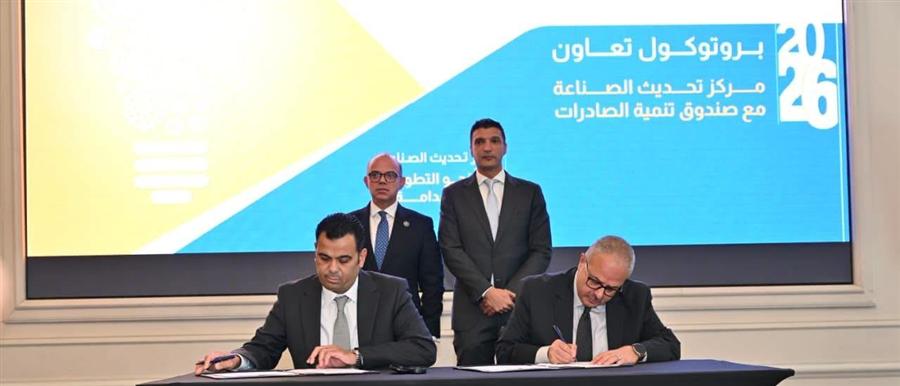
Arab Finance: The Ministry of Industry signed four cooperation protocols through the Industrial Modernization Center (IMC) with the Export Development Fund, Hassan Allam Group, ELSquare, and the National Egyptian Railway Industries Company (NERIC) to support exporters, develop local suppliers, accelerate digital transformation, and enhance the competitiveness of Egyptian industry, as per a statement.
Under the first protocol, the IMC and the Export Development Fund will implement a program supporting exporting companies in obtaining quality, conformity, and environmental compliance certifications across nine industrial sectors: food, engineering, chemicals, medical supplies, ready-made garments, home furnishings, textiles, leather, and furniture.
The second protocol, signed with ELSquare under the smart manufacturing for industrial facilities initiative, aims to provide digital transformation and smart manufacturing solutions, particularly for small and medium-sized enterprises.
Meanwhile, the third protocol with Hassan Allam Group focuses on developing between 20 and 40 local suppliers serving the group's projects, while ensuring compliance with sustainability, green building, and carbon emissions reduction requirements.
The fourth protocol, signed with NERIC, targets the development of seven local suppliers in its initial phase to provide components for train and metro carriage manufacturing in accordance with the IRIS (ISO 22163:2023) standard. The first phase includes 14 locally sourced components, with plans to expand the supplier base in later stages.
Minister of Industry Khaled Hashem said the IMC will play a leading role in Egypt's industrial and technological transformation agenda, supported by a modernization plan focused on expanding the use of digital technologies and artificial intelligence, linking scientific research with industrial needs, and helping manufacturers meet evolving international standards.
According to Hashem, the agreements support the ministry's strategy to increase merchandise exports to $100 billion by 2030 through deeper localization of manufacturing, greater integration into global value chains, and wider adoption of advanced technologies. He added that improving product quality, fostering innovation, and increasing local content remain key pillars of the strategy.
The minister said cooperation with the Export Development Fund will help Egyptian products meet international quality and sustainability requirements, while the smart manufacturing initiative is expected to enhance productivity and operational efficiency. He added that the supplier development programs with Hassan Allam Group and NERIC will support local manufacturing and integrate Egyptian companies into the supply chains of major national projects and strategic industries.
On the sidelines of the signing ceremony, Hashem outlined the key pillars of Egypt's Industrial Strategy 2030, which aims to raise industrial exports to $100 billion by attracting technology-intensive investments, increasing local value added, and strengthening integration with international production networks.
The strategy prioritizes sectors with the highest potential economic impact in terms of exports, employment, and value added, including ready-made garments, textiles, food industries, pharmaceuticals, automobiles, electrical and engineering equipment, and electronics. It also covers enabling industries such as renewable energy equipment, water conservation technologies, machinery, metal manufacturing, and industrial robotics, alongside strategic sectors including iron and steel, aluminum, chemicals, fertilizers, building materials, and mining.
Hashem also announced plans to launch industrial investment funds that will allow citizens to participate in financing industrial projects, particularly expansion plans. The first fund is expected to become operational in September and will provide financing through direct equity participation and debt-to-equity conversion mechanisms.
The ministry is also preparing to launch a platform for stalled factories to attract new investors and facilitate the acquisition of existing facilities, land, and licenses following independent valuation. The platform will create a database linking investors with underutilized industrial assets to help resume production and create jobs.
In addition, the minister said the government continues to attract global automotive manufacturers through incentives offered under the National Automotive Industry Development Program, which targets annual vehicle production of 100,000 units by 2030.
Hashem further highlighted the upcoming rollout of the Productive Villages Initiative, which aims to create employment opportunities in rural areas by linking villages to industrial supply chains based on local resources and workforce capabilities. The initiative will initially be launched in selected villages in Minya and Beheira before being expanded to other governorates.