Arab Finance: Egypt's external accounts management, including buying time with external backing between two severe exchange rate changes, is nearing its limits, according to a report by BNP Paribas.
Persisting a considerable external financial demand, owing mostly to external debt amortization and international creditors who condition their support on severe reforms, have brought the Egyptian economy to “a dead end”, the bank said.
The report added that the net external position of banks in Egypt is worsening at “an alarming rate, as restrictions on foreign currency transactions are tightening, which put a damper on import activity.
It showed that the external financing requirement, including current account deficit and amortization of external debt, is estimated at $22 to $30 billion per year for the fiscal years (FYs) of 2023/2024 and 2024/2025.
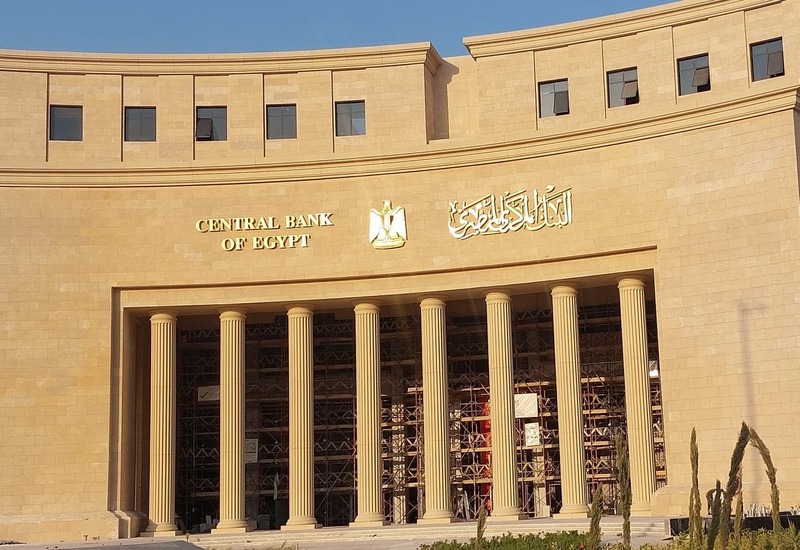
It also mentioned that the Central Bank of Egypt (CBE) can still deal with foreign debt amortization in the short term; however, every further delay in reaching an agreement with the International Monetary Fund (IMF) regarding the country’s $3 billion loan lowers its ability to do so.
Moreover, BNP Paribas expects Egypt’s gross domestic product (GDP) growth to grow to 3.6% in FY 2023/2024 and to 5% in FY 2024/2025.
The report revealed that the official foreign exchange reserves of the CBE are relatively stable, amounting to $33 billion or 4.6 months of goods and services imports in August 2023.
The banking system’s net external debt reached around $15.2 billion in August, accounting for 4.1% of GDP, down from $17.2 billion in June. Yet, it remains at a historically high level, according to the report.
“The maintenance of an acceptable level of reserves for the central bank is at the price of a regular deterioration in the external situation of commercial banks,” the report read.