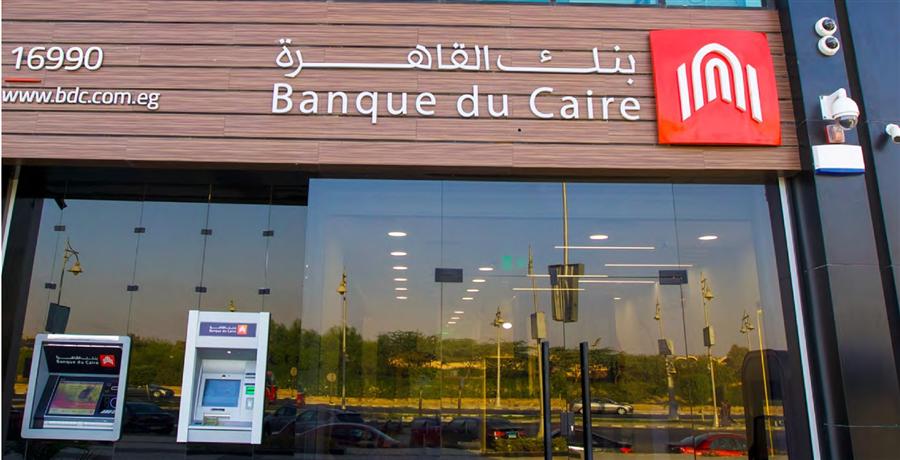
Arab Finance: Subscriptions to the public tranche of Egypt-based lender Banque du Caire’s initial public offering (IPO) reached 2.54 times the allocated shares on Sunday, October 25, as the Egyptian Exchange (EGX) closed sharply lower amid widespread selling.
Orders totaled approximately 581.4 million shares, up from the previously reported 453.6 million, an increase of 127.8 million shares, or 28.2%. Demand exceeded the 228.75 million shares reserved for the public tranche, which remains open for subscriptions until October 28.
The offering comprises approximately 4.575 billion shares, representing 30% of the bank’s issued capital, divided between the public tranche and a private placement. The latter covers approximately 4.346 billion shares and targets financial institutions, experienced investors, and high-net-worth individuals.
The indicative price range is EGP 4.82 to EGP 5.30 per share, with the final price due to be announced by October 26 under the offering timetable.
The increase in subscriptions came as all three major EGX indices posted substantial losses. The benchmark EGX30 fell 3.56% to 49,234.35 points, while the EGX70 EWI, which tracks small and mid-cap stocks, dropped 11.07% to 15,282.64 points. The broader EGX100 EWI declined 8.88% to 21,064.53 points.
Reported trading value stood at approximately EGP 7.176 billion across 250,360 transactions, while the market capitalization of listed stocks totaled approximately EGP 3.778 trillion. Shares of 209 companies declined, compared with 10 that advanced and five that closed unchanged.
Strong subscription demand alongside the sell-off has raised questions about whether investors redirecting funds toward the offering are putting pressure on liquidity available for trading. However, the available figures do not establish that the IPO directly caused the market decline. Assessing its impact would require examining liquidity flows, investor behavior during the session, and other factors affecting the market.