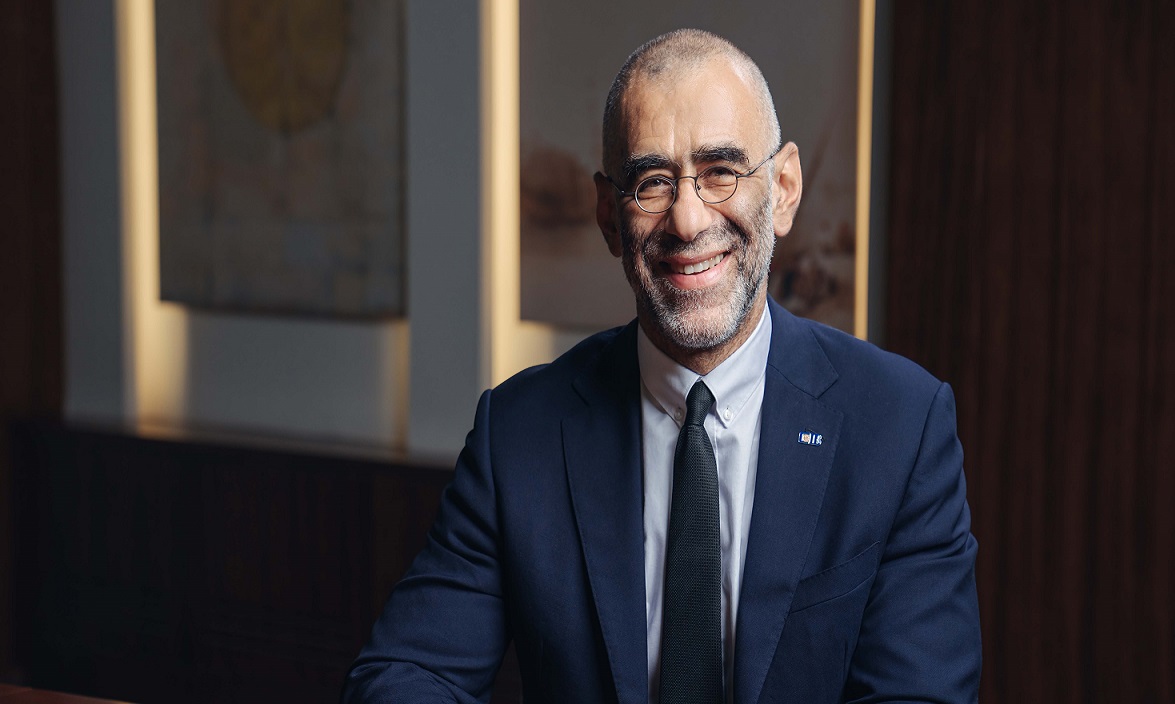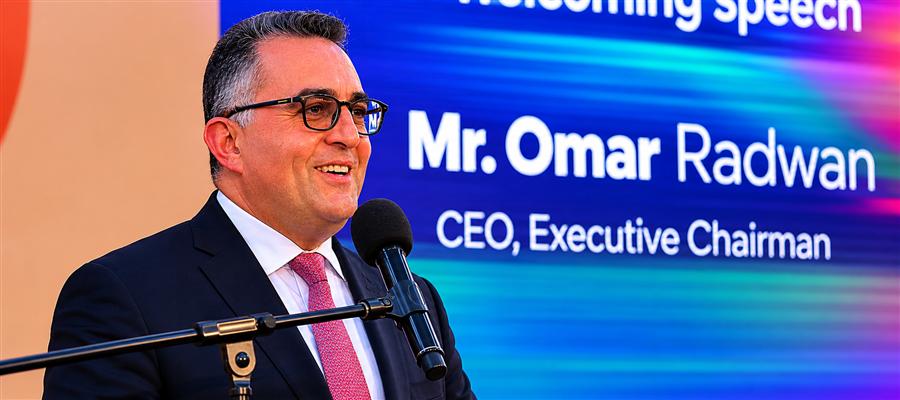
Arab Finance: Executive Chairman of the Egyptian Exchange (EGX) Omar Radwan described the 30-minute trading halt that took place on Sunday, October 25, as a routine regulatory measure that should not cause concern, adding that lower share prices could attract fresh foreign investment.
Speaking by phone on Hadith El Kahera, broadcast on Egyptian television channel Al Kahera Wal Nas, Radwan noted that similar suspensions occurred in October 2021 and during the COVID-19 pandemic in 2020. He stressed the need to distinguish between short-term market fluctuations and long-term investment objectives.
His comments come as the EGX attracts a growing number of new investors. According to Radwan, approximately 600,000 investors have joined the market since the beginning of 2026, compared with about 299,000 in 2025 and 229,000 in 2024. This brings the total over the three years to more than one million, most of whom are under 30.
Radwan explained that some newcomers have not previously experienced sharp market declines, making them more susceptible to selling out of fear or following other investors’ decisions. He urged them to reassess their portfolios and select stocks based on sound investment opportunities, while avoiding rumors and rushed decisions.
He also encouraged investors to diversify their savings and allocate a portion to equities according to their risk tolerance. Taking a long-term approach, he added, can allow investors to identify opportunities during market downturns.
Turning to foreign investment, Radwan argued that declining share prices in EGP have made USD-denominated valuations more attractive relative to their averages over the past 20 years and those in neighboring markets. These levels could encourage new foreign inflows, he said.
Addressing the USD’s appreciation against the EGP and the effect of hot-money outflows, Radwan noted that foreign investors enter and exit the market daily. He said the EGX had experienced no problems with those movements over the past two and a half years.
Some foreign investors withdrew at the onset of the geopolitical crisis roughly six months ago, he explained, but subsequently returned after observing the Egyptian economy’s ability to manage its repercussions.
Radwan credited exchange-rate flexibility and the free movement of currency with helping the economy absorb shocks. These conditions, he said, also strengthened foreign investors’ confidence that they could transfer funds into and out of the market in line with their investment decisions.
He pointed to several economic indicators supporting the market’s appeal, including growth exceeding 5% and foreign currency reserves of approximately $57 billion. He also cited improved Suez Canal revenues, tourist arrivals approaching 19 million, and higher remittances from Egyptians working abroad.
Radwan added that the cost of insuring Egypt’s foreign-currency government debt had fallen to about 3%, which he described as its lowest level in 10 years, compared with roughly 12% in earlier periods.