Arab Finance: The International Monetary Fund (IMF) has approved new financing totaling about $1.8 billion for Egypt after completing the seventh review of the country's Extended Fund Facility (EFF) arrangement and the second review under the Resilience and Sustainability Facility (RSF), the IMF said.
The decision enables Egypt to immediately access SDR 1.11 billion (about $1.5 billion) through the EFF and SDR 200 million (about $272 million) under the RSF. Total disbursements under the two programs have now reached approximately SDR 5.4 billion, equivalent to about $7.3 billion.
In its assessment, the IMF said Egypt has navigated the economic fallout from the war in the Middle East from a stronger macroeconomic position than during previous external shocks. The fund attributed this resilience to policy measures adopted by the authorities, including exchange rate flexibility, energy price adjustments, and efforts to contain public spending.
The fund highlighted continued momentum in economic activity, noting that real gross domestic product (GDP) expanded 5% in the third quarter (Q3) of the previous fiscal year (FY) 2025/2026, bringing growth during the first nine months of the FY to 5.2%. It expects the economy to grow by around 4.6% for the full FY, only slightly below projections made during the previous program reviews.
While inflation moderated for much of the year, the IMF noted that it accelerated to 15.2% in March 2026 as currency depreciation and higher energy prices fed into consumer prices. Headline inflation later eased to 14.3% in June, although the fund said underlying price pressures remained elevated, with core inflation also reaching 14.3%.
External accounts also faced renewed pressure as higher oil and gas prices widened the current account deficit. However, the impact was partly offset by record remittance inflows, strong tourism revenues, and the gradual recovery of Suez Canal receipts, the IMF said.
As a result, the current account deficit is estimated at 4.5% of GDP in FY2025/2026. Oil hedging contracts and long-term gas supply agreements also helped reduce the impact of higher energy costs, while gross international reserves strengthened to 119% of the IMF's Assessing Reserve Adequacy (ARA) metric by the end of June.
The IMF also pointed to stronger-than-expected fiscal performance. It said Egypt exceeded both its primary balance and tax revenue targets by the end of March 2026, supported by stronger revenue collection and spending controls. Gross financing needs (GFNs) declined by 5% of GDP during FY2025/2026, while the tax-to-GDP ratio is projected to increase by 1.2 percentage points in FY2026/2027. The primary surplus is also expected to rise from 4.8% of GDP to 5%.
Turning to structural reforms, the implementation has been uneven, the IMF noted, describing the State Ownership Policy (SOP) as an important step toward strengthening the state's ownership framework and welcomed measures to simplify customs clearance and tax administration procedures. However, it highlighted that progress in reducing the state's role in the economy and advancing the government's divestment program has been slower than anticipated and should accelerate.
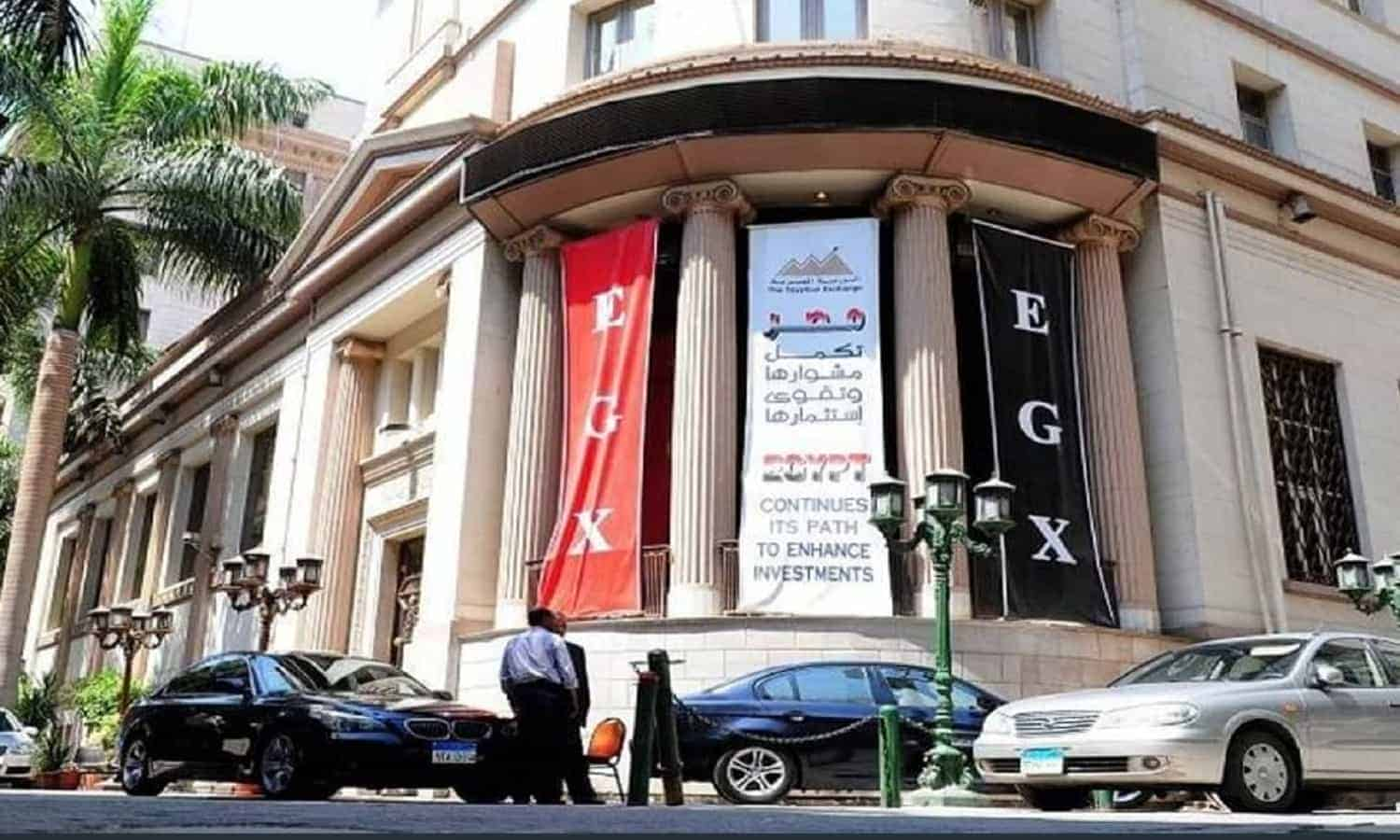
The fund noted that Egypt recently finalized the Gabal El Zeit transaction and completed sales by the Ministry of Finance of stakes in selected publicly traded companies, bringing total divestment proceeds to around $520 million.
Looking ahead, the IMF expects economic growth to moderate to 4.4% in FY2026/2027 as lingering effects of the regional conflict, including weaker investment, higher production costs, and continued uncertainty, weigh on activity. Headline inflation is projected to rise to 16.7% during the second half (H2) of 2026, delaying convergence to the Central Bank of Egypt's (CBE) target range by about one year.
Despite those challenges, the IMF expects the current account deficit to narrow as oil prices stabilize, supported by an improving trade balance, a larger services surplus, and continued strength in remittances. International reserves are also expected to remain above 100% of the ARA metric.
The fund cautioned that risks remain tilted to the downside. A renewed escalation of regional tensions could slow growth, increase inflationary pressures, tighten global financial conditions, and place additional strain on Egypt's fiscal and external positions. Domestically, sustaining tight macroeconomic policies, meeting refinancing needs, and accelerating structural reforms remain key challenges.
Conversely, the IMF pointed out that lower energy prices resulting from a renewed US-Iran ceasefire, a recovery in Suez Canal activity, and faster reform implementation could improve growth prospects and strengthen private-sector development.