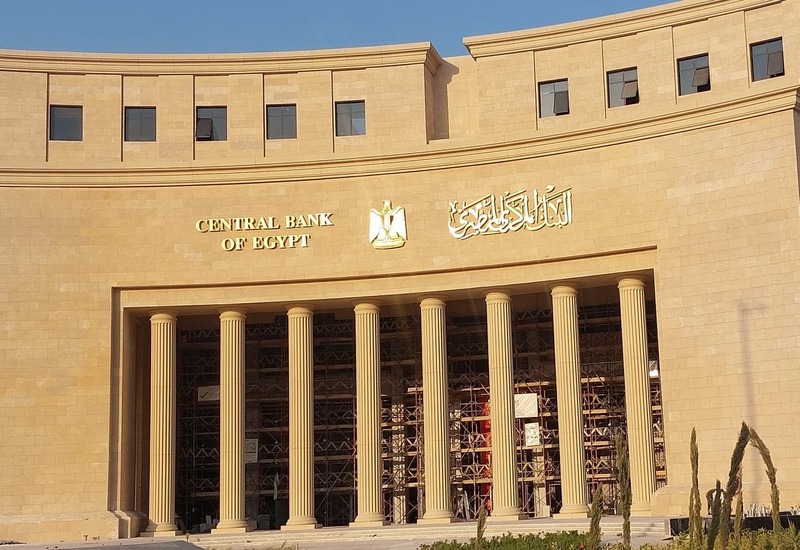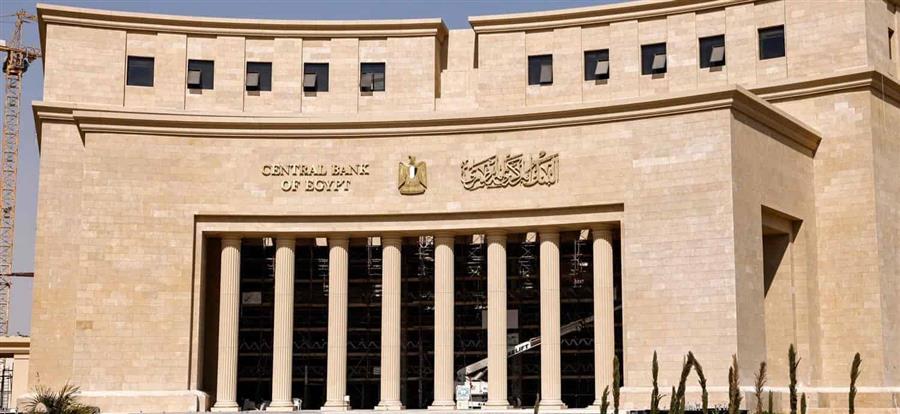
Arab Finance: Egypt’s financial inclusion rate reached 79% at the end of June 2026, with 56.4 million people holding active accounts that allow them to conduct financial transactions, the Central Bank of Egypt (CBE) stated.
The figure covers 71.4 million citizens aged 15 and above and includes users of bank and postal accounts, mobile wallets, and prepaid cards.
The latest data extended the growth in access to formal financial services, with CBE indicators showing a 229% increase in the ownership and use of financial services between 2016 and June 2026.
Women recorded one of the largest gains during the period, with their financial inclusion rate rising to 72.5% at the end of June 2026 from 19.1% in 2016.
Financial inclusion among people aged 15 to 35 also increased to 58% in June 2026 from 36.3% in 2020, with the CBE placing the growth rate at 85%.
The expansion was supported by programs designed to strengthen the economic participation of women and young people and bring vulnerable groups into the formal financial system.
The CBE attributed the results to the implementation of Egypt’s Financial Inclusion Strategy for 2022 to 2025, which was developed and carried out in coordination with the relevant ministries and government agencies.
Projects supporting the strategy included the presidential Hayah Karima initiative, a program assisting smallholder farmers, and programs for women and young people implemented with the Ministry of Youth and Sports and the National Council for Women (NCW).
Building on the first strategy, the CBE is preparing the second National Financial Inclusion Strategy for 2026 to 2030 in cooperation with the relevant ministries and agencies.
The new strategy will shift the focus beyond access to financial services toward their effective, secure, and sustainable use. Its objectives include supporting businesses and entrepreneurs and helping integrate informal economic activity into the formal economy.
The strategy is being developed through a methodology that measures financial inclusion from both the supply and demand sides, covering access to financial services, their use, and their quality.
Its preparation also draws on a field survey of financial services conducted in the first quarter (Q1) of 2026 with technical support from the World Bank and the International Finance Corporation (IFC), in collaboration with the Central Agency for Public Mobilization and Statistics (CAPMAS).
The survey was designed to identify gaps and obstacles affecting the effective use of financial services and support the development of evidence-based policies.
Under the forthcoming strategy, the CBE plans to expand the use of financial products and services through digital solutions and innovation while supporting the transition to a green economy through sustainable financing instruments.
Other priorities include improving financial literacy through education and training, protecting customer rights to strengthen confidence in the financial sector, and supporting the growth and sustainability of small and medium-sized enterprises and entrepreneurs.
The strategy will also promote public-private partnerships and continue the development of Egypt’s financial and technological infrastructure.