Arab Finance: Egypt is considering a proposal to establish an integrated investment zone for Japanese companies to strengthen manufacturing, facilitate technology transfer, and increase exports, according to a statement from the Ministry of Investment and Foreign Trade.
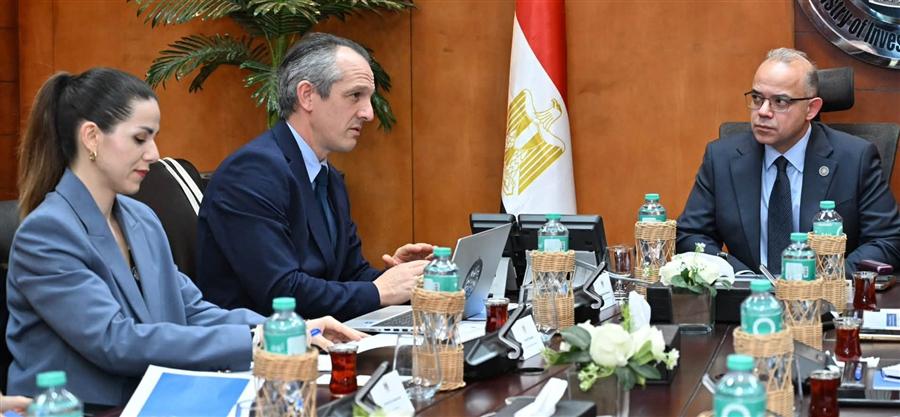
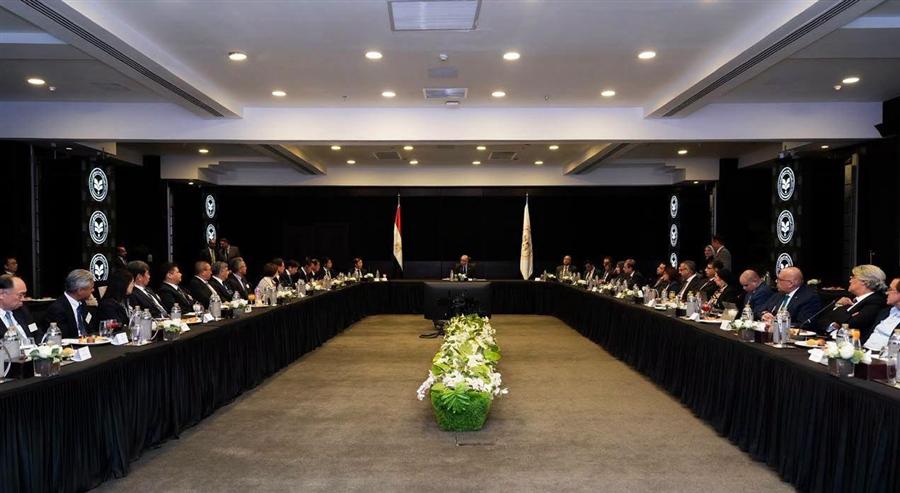
The proposal was discussed during a meeting between Minister of Investment and Foreign Trade Mohamed Farid Saleh and a delegation from the Central Japan Economic Federation, representing 25 Japanese companies.
Organized and accompanied by Japan-based travel company JTB Corporation, the delegation included representatives of major corporations affiliated with the federation, which brings together approximately 800 companies, organizations, and economic entities.
Participating companies included Japanese power utility Chubu Electric Power, electronics manufacturer IBIDEN, construction firms Kajima Corporation and Shimizu Corporation, and trading companies Mitsubishi Corporation, Mitsui & Co. and Marubeni Corporation. Other representatives came from financial services firm Nomura Securities, airlines All Nippon Airways (ANA) and Japan Airlines (JAL), and insurance company Tokio Marine & Nichido Fire Insurance.
The proposed zone would create an industrial cluster that supports integration with local supply chains and strengthens cooperation between Egyptian and Japanese businesses.
The meeting also addressed opportunities to attract new Japanese investments and expand existing projects, particularly in automotive components, pharmaceuticals, medical industries, healthcare, and tourism.
Farid reaffirmed Egypt's commitment to supporting Japanese investors throughout their projects by facilitating land access, connecting companies with local partners, and addressing operational challenges.
He outlined the country's investment frameworks, including free zones, investment zones, the domestic market, and the Suez Canal Economic Zone (SCZONE).
The minister also highlighted the advantages of free zones, including simplified customs procedures and access to export incentive programs subject to applicable regulations and local content requirements. He cited the golden license as another mechanism to streamline investment approvals and permits.
Beyond industrial investment, Farid reviewed opportunities for private sector participation in developing and operating hospitals, tourism facilities, and hotels through public-private partnership (PPP) models.