Arab Finance: Egypt’s Deputy Prime Minister for Economic Affairs Hussein Eissa reviewed an implementation plan comprising 31 main programs divided into around 100 executive measures under the second edition of the State Ownership Policy Document for 2026–2030, ahead of the plan’s final release, as per a statement.
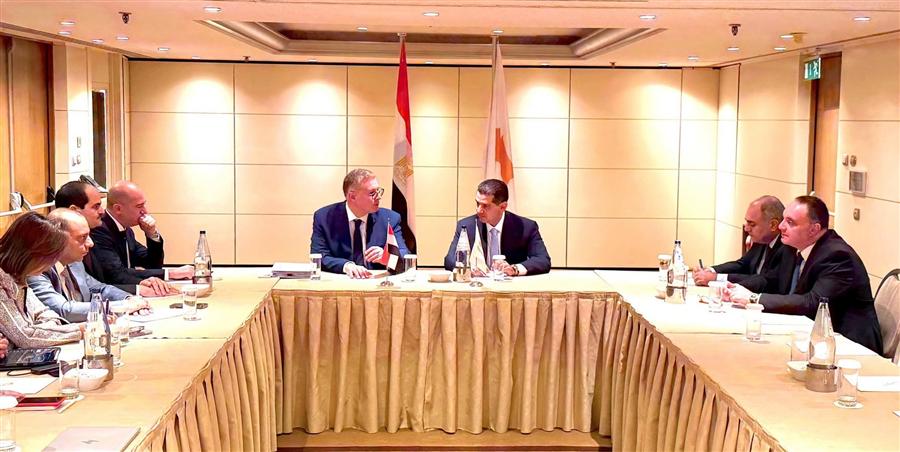
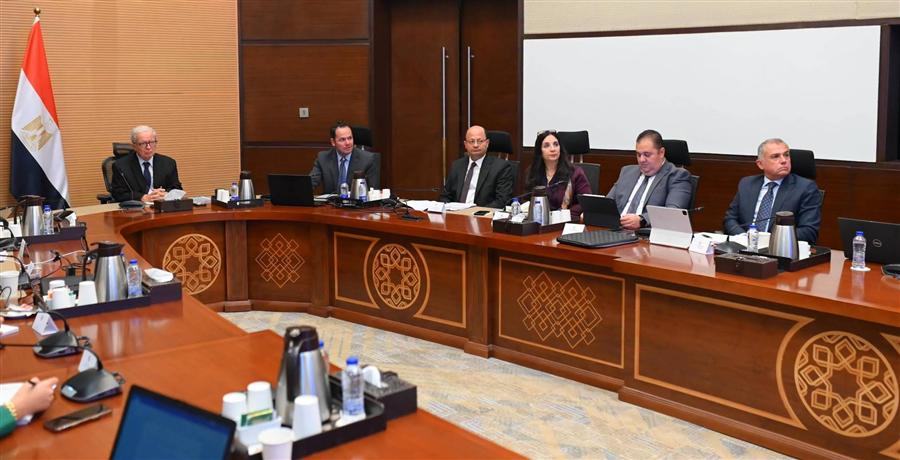
The meeting examined proposals to strengthen the plan and meet the document’s targets, particularly expanding the private sector’s contribution to economic activity.
Eissa said work was focused on translating the policy’s broad framework into an integrated implementation system with clear targets that can be measured, monitored, and evaluated, emphasizing that the document reflects the government’s commitment to empowering private businesses as key economic partners and creating a more competitive and attractive investment environment.
Strengthening the private sector’s capacity to drive growth remains central to the government’s economic direction, Eissa added. Efforts to broaden its participation across economic activities are proceeding alongside measures to encourage foreign direct investment (FDI) into Egypt, supporting sustainable growth and improving the economy’s competitiveness.
Hashem El-Sayed, Assistant to the Prime Minister and CEO of the State-Owned Enterprises Unit, said the plan’s 31 programs and nearly 100 implementation measures were designed to align with Egypt’s economic and development priorities.
The measures cover private sector empowerment, investment attraction, capital market activity, more efficient management of state-owned assets and enterprises, and stronger governance.
Each program and measure has designated implementing entities, a timeframe, target outputs, and key performance indicators (KPIs), El-Sayed explained. This structure is intended to clarify responsibilities, strengthen implementation management, and enable periodic assessments of progress and whether targets are being met.