Arab Finance: S&P Dow Jones Indices (S&P DJI) has maintained Egypt’s emerging-market classification after concluding its 2026 equity country classification consultation, ruling out a proposed move to frontier-market status, as per an index announcement.
S&P DJI is a division of S&P Global and provides index-based data, benchmarks, and research. Its portfolio includes the S&P 500 and Dow Jones Industrial Average.
The index provider confirmed that Egypt would not be reclassified after assessing feedback from investors and market participants. Its consultation, released in early June 2026, had proposed changing Egypt’s status from emerging to frontier alongside the September 2027 index reconstitution.
S&P DJI accepted responses from the investment community until July 31 before reaching its final decision.
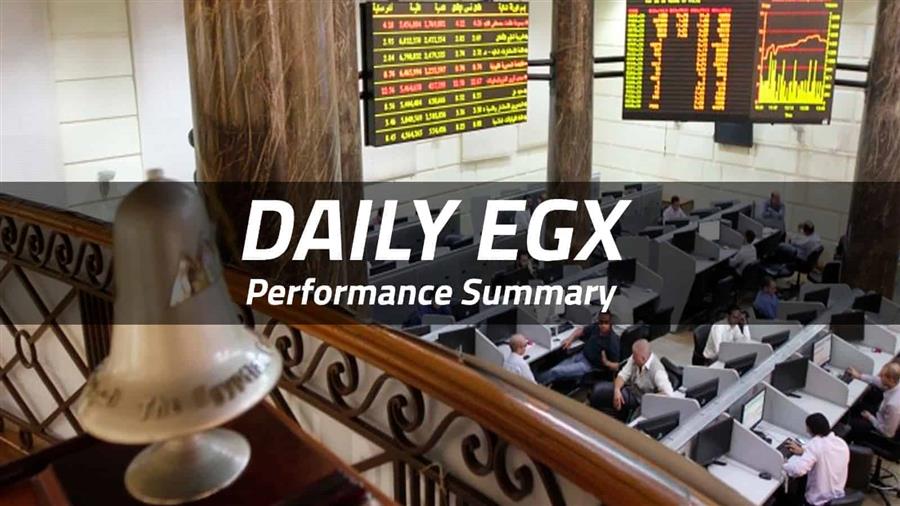
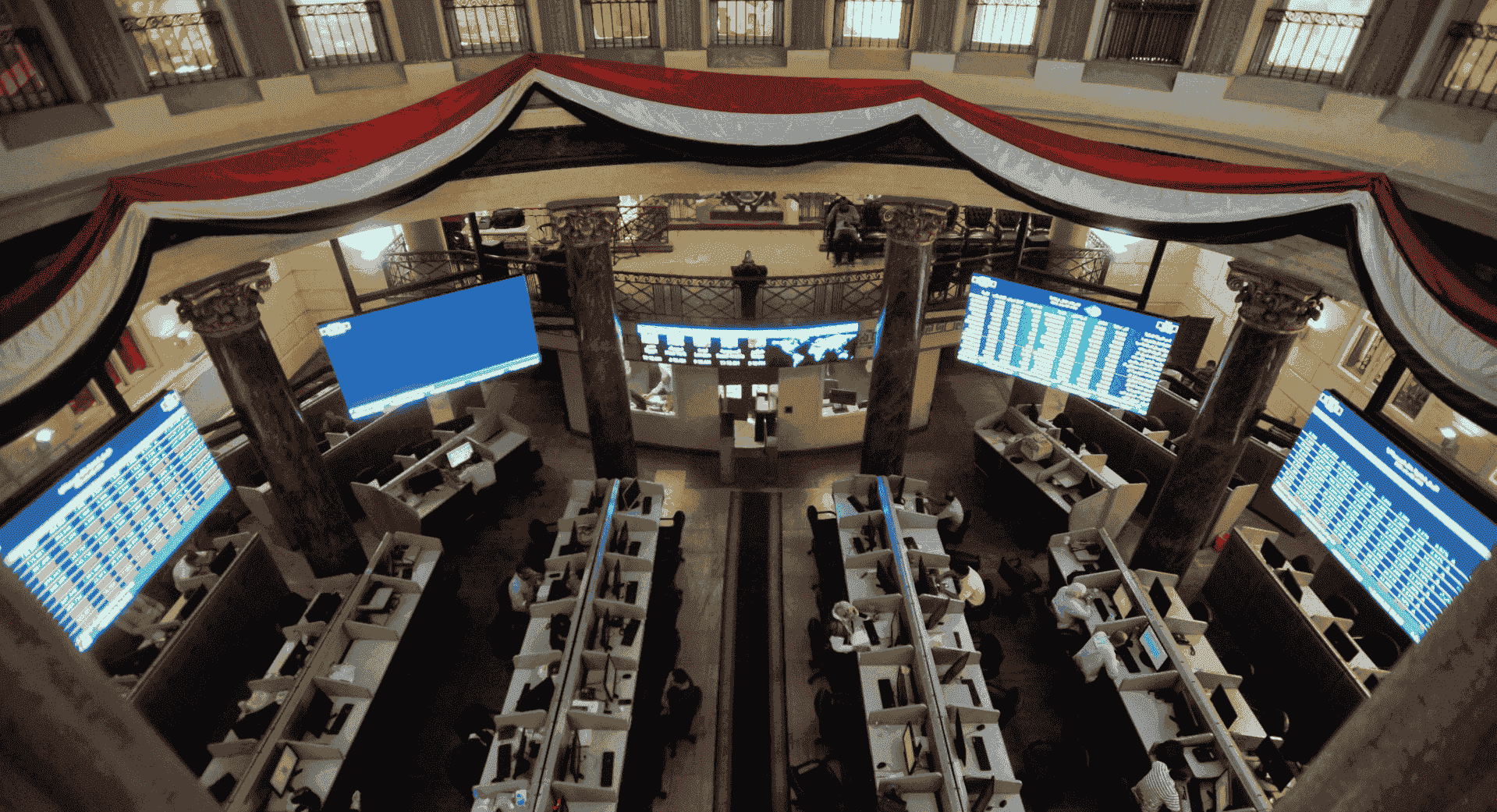
The Egyptian Exchange (EGX) said it also received official confirmation that the country would remain within the emerging-markets category.
EGX Executive Chairman Omar Radwan asserted that the outcome reflects the Egyptian market’s continued development through coordinated institutional efforts involving the Cabinet, the Economic Ministerial Group, the Central Bank of Egypt (CBE), the Financial Regulatory Authority (FRA), the Ministry of Finance, the Ministry of Investment and Foreign Trade and its affiliated bodies, other government entities, and capital market stakeholders.
Radwan thanked the local and international institutions that took part in the consultation process, which the EGX facilitated, adding that the exchange highlighted the Egyptian economy’s strengths and the rapid developments underway in the domestic market.
He also commended Prime Minister Mostafa Madbouly and the Economic Ministerial Group, as well as the progress made in the capital market under FRA Chairman Islam Azzam. Radwan said the consultation’s outcome reflects Egypt’s efforts to improve its investment climate, alongside the market’s development and the economy’s capacity to navigate regional and international challenges.
The ongoing reforms are intended to move the Egyptian market toward more advanced classifications and rankings in the future, rather than focusing solely on preserving its current status, Radwan added.
He attributed the decision partly to coordination among the EGX, market participants, and relevant institutions to modernize trading infrastructure and market mechanisms. These efforts include introducing financial instruments and improving the processes through which foreign investors enter and exit the market.
The EGX plans to continue coordinating with government authorities, international institutions, and global investors as it works to strengthen the market’s regional and international competitiveness, he noted.
The decision comes as the Egyptian capital market undergoes a series of changes led by the FRA, including the introduction of a derivatives market, the activation of short-selling mechanisms, the expansion of digital services, and upgrades to technological infrastructure. The authorities are also introducing investor products and services while refining trading mechanisms to support market efficiency and liquidity.
In parallel, the EGX is developing its disclosure and information distribution framework, advancing digital transformation, and expanding its services in line with international practices. Its agenda also covers sustainable finance and environmental markets as part of efforts to diversify the investor base and broaden investment opportunities.