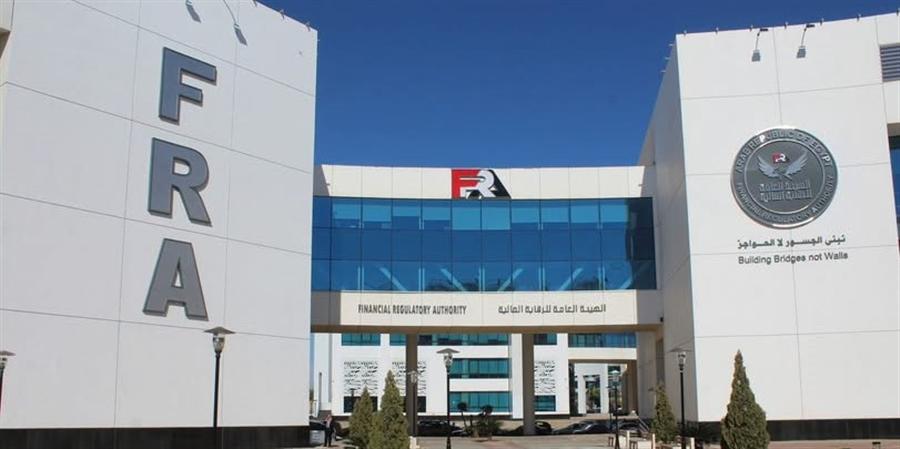
Arab Finance: The Financial Regulatory Authority (FRA) has required companies and other legal entities under its supervision to register for Egypt Post’s Bareedi registered email service and activate accounts to receive the authority’s official correspondence, as per a statement.
Under Decision No. 2872 of 2026, regulated entities must complete the registration and activation process within three months of the decision’s publication in the Egyptian Gazette.
The decision implements a cooperation protocol signed earlier this month between the FRA and Egypt Post to digitize official notifications and correspondence between the regulator and entities under its supervision.
The registration requirement applies to companies and organizations licensed to conduct non-banking financial activities but excludes natural persons subject to the FRA’s supervision. Entities must register only to receive correspondence from the authority, a service provided free of charge.
Companies may also use Bareedi to send correspondence to the FRA, but doing so remains optional and is subject to the rules and fees established by Egypt Post.
An account registered through the service will serve as an official, approved digital address for communication with the FRA. Correspondence, notifications, and announcements sent by the authority through Bareedi will carry legal validity, as will electronic records showing whether messages were sent, received, or undelivered.
Regulated entities must keep their accounts active and operational and update the associated information whenever changes occur. The requirement is intended to preserve the effectiveness of the digital communication channel between the FRA and the entities it oversees.
The registration process requires each entity to appoint a primary officer responsible for the service and identify the individuals authorized to send and receive communications on its behalf. Companies must also provide the required legal documents and contact information, complete verification procedures, and accept the service’s terms of use.
Once the registered mailbox has been created, entities must link it to the accounts of authorized users, grant the necessary permissions, and conduct a practical test. The test must verify that messages can be sent and received successfully, electronic notifications appear correctly, and delivery failures can be handled.
Azzam said the decision represents a practical step toward improving official communication and gradually replacing paper-based correspondence with secure, authenticated digital channels. He added that the service would save time, effort, and costs while strengthening the efficiency of regulatory and supervisory procedures.
Moreover, he noted that the continued development of the non-banking financial sector requires the FRA to upgrade its supervisory tools as technology, business models, and financial services evolve. Digital transformation, he added, now extends beyond the delivery of financial services to the regulator’s own operations, helping it respond more quickly to developments and improve the quality of the data and information available to it.