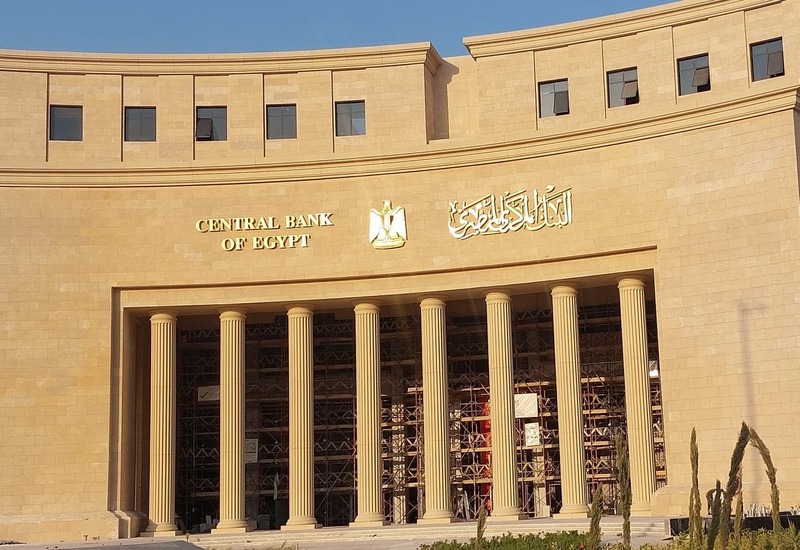
Arab Finance: HC Securities & Investment expects the Central Bank of Egypt’s (CBE) Monetary Policy Committee (MPC) to raise interest rates by 100 basis points as inflationary pressures persist and major central banks adopt tighter monetary policies, as per the company's latest research note.
The forecast follows the MPC’s August 20 decision to keep the overnight deposit and lending rates unchanged at 19.0% and 20.0%, respectively, for a fourth consecutive meeting. The committee last lowered rates by 100 basis points in February, bringing total cuts since 2025 to 825 basis points after cumulative hikes of 1,900 basis points since the tightening cycle began in 2022.
Egypt’s annual headline inflation hit 14.5% in August, compared to 14.9% in July, according to data from the Central Agency for Public Mobilization and Statistics (CAPMAS). The monthly consumer prices rose by 0.1%, compared with no change in July.
HC’s outlook also factors in shifts in international monetary policy. The US Federal Reserve increased its target range for the federal funds rate by 25 basis points to 3.75%-4.00% on September 16. The move followed net cuts totaling 150 basis points since September 2024, after the Fed raised rates by 525 basis points from the start of its 2022 tightening cycle.
The European Central Bank (ECB) also raised its deposit facility, main refinancing operations, and marginal lending facility rates by 25 basis points on September 10 to 2.50%, 2.65%, and 2.90%, respectively. Its net rate cuts have totaled 150 basis points since June 2024, following cumulative increases of 450 basis points during the tightening cycle that began in 2022.
Heba Monir, financial analyst and economist at HC, said Egypt’s external buffers remain relatively stable but may not fully shield the economy from mounting regional risks and their potential impact on energy prices. “The relatively stable outlook for Egypt's external position may not sufficiently protect it from prospective challenges amid the recent escalation of regional geopolitical turbulence and its implications for energy prices."
Looking ahead, Monir expects inflationary pressure to continue during September and October. She forecasts a monthly inflation rate of 1.3% in September, driven by higher housing, water, electricity, gas, and other fuel costs. The estimate also factors in the annual increase in old rents and the seasonal effect of the new academic year at schools and universities.
For October, Monir projects headline inflation to rise by 2.1% month-on-month, based on HC’s expectation that diesel and gasoline prices will increase by around 10%.